

Local governments, as public actors, are custodians of fundamental values such as freedom, equality, justice, democracy, protection and human dignity, which underpin all human rights. These values are at the core of public service missions carried out by local governments. Through the public services they offer, they therefore contribute in a practical, tangible way to the realization of human rights.
Local governments, and particularly municipalities, are close-to-the-people actors: it is often towards them that citizens turn when they face difficulties in asserting their rights, even when the enforcement of those rights is not directly or solely the responsibility of local governments.
Human rights can be considered a compass, not only for states and international organizations, but also for local governments. They define a framework enabling every man, woman, and child to live a free and dignified life, respectful of others and of the living world.
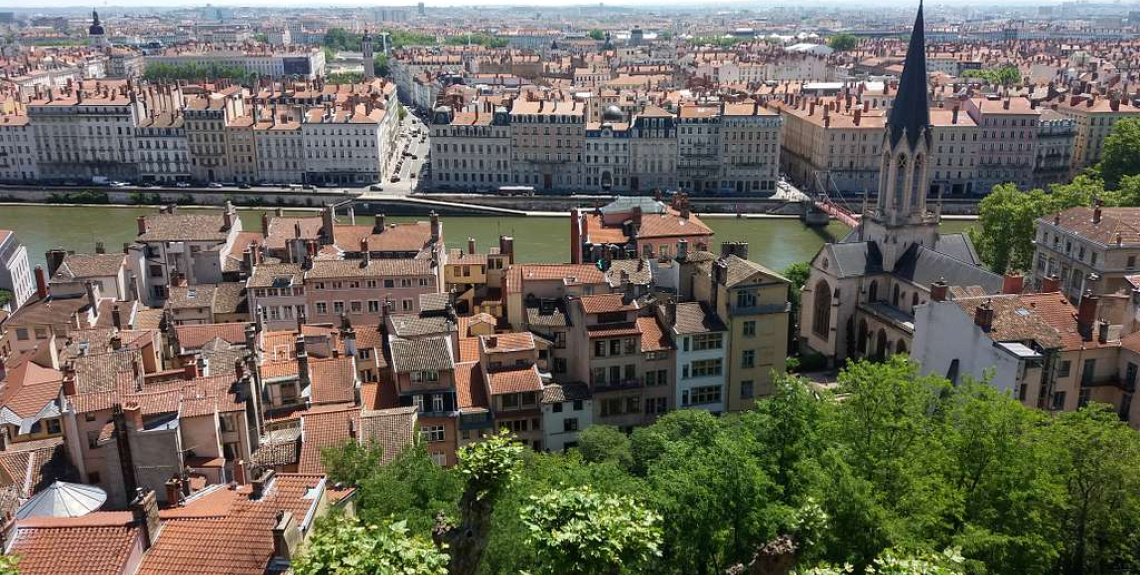
In Lyon, access to and the promotion of human rights is an integral part of the political project led by the executive members, aimed at building a city that cares for its inhabitants and their well-being, a responsible city that protects and includes, an engaging city where everyone can find their place.
Exchange of good practices
-
Draw inspiration from what other local governments are doing;
-
Promote what we are doing;
-
Be confronted with other perspectives in order to develop our intercultural sensitivity.
Creation of synergies between committed local governments
-
Reflect together on the issues and actions we are undertaking, with a view to improving our policies;
-
Develop joint projects, including awareness or advocacy campaigns, to promote respect for human rights, in Lyon or worldwide.
Contribution to advocacy highlighting the role of local governments in the field of human rights
To achieve this, since June 2020, the City of Lyon has invested in strengthening or creating public policies promoting (non-exhaustive list):
-
Access to rights: launch of a “non-take-up barometer” to identify barriers and obstacles to access to rights for people in precarious situations; establishment of a one-stop shop for access to rights between the City of Lyon and the Lyon Metropolis, both holding social responsibilities, to prevent confusion or lack of knowledge of competencies from becoming a barrier to access to rights; progressive implementation of accessibility of City websites and mobile apps; publication of a printed guide to the cultural offer accessible to people with disabilities; launch of a sign language interpreting and instant transcription solution for welcoming deaf and hard of hearing people in district town halls; mechanisms to support children with disabilities in nurseries and schools.
-
Combating discrimination: collaboration with employment and inclusion actors on discrimination prevention in employment and insertion policies; creation of a platform to report acts of violence, discrimination, harassment and sexist behavior in the public service; implementation of an action plan against LGBTphobic violence and behavior; better representation, within the Municipality, of societal diversity (racialized people, people with disabilities, youth, etc.).
-
Promoting gender equality and fighting sexist and sexual violence: creation of a guide on “gender equality in urban planning” for urban planning professionals; feminization of street names in the city to gradually restore parity in public spaces; gender-sensitive budgeting approach; development of an action plan for professional equality between women and men for municipal employees; development of events programming to inform and raise public awareness about gender equality; launch of a communication campaign to fight sexist and sexual violence; provision of seven apartments for sheltering women victims of violence.
-
Hospitality and inclusion of marginalized groups: development of a comprehensive action plan to make Lyon a more welcoming city for people in migration situations, regardless of their status; mobilization of municipal services to facilitate the reception of displaced persons who arrived in Lyon after the Taliban returned to power in Afghanistan or due to the war in Ukraine; membership and strong involvement in the national ANVITA network; organization of republican sponsorship ceremonies; signing of the Declaration of Rights of Homeless Persons supported by the Abbé Pierre Foundation and FEANTSA.
-
The right to food and food security: renewal of the school canteen contract (26,500 meals/day), for healthier, higher-quality meals favoring organic, local, short supply chains and more homemade meals; increased support for social and solidarity grocery stores and structures promoting sustainable food and combating food insecurity; creation of a food center (including a social restaurant, a shared space for cooking, and a grocery store) for people in precarious situations; funding of a study on food economic autonomy for students; project to establish "Food Houses" in each district.
The City of Lyon is also particularly committed to full access to hygiene and housing, to environmental protection, and to strengthening participatory democracy.
In parallel with its action to ensure the effective realization of rights at the local level, the City of Lyon is also committed to defending and promoting human rights globally. Our elected officials are convinced that these two dimensions go hand in hand. Human rights, by their very nature, are universal, and the community's commitment and responsibility cannot stop at our territorial borders.
This commitment takes various forms, including:
-
Support provided to activists, human rights defenders, artists, and intellectuals in danger in their country of origin (participation in awareness-raising actions, letters of support, contacting French and/or local governments, etc.) – since the beginning of the term, support was given, for example, to Khaled Drareni, Ramy Shaath, Tuna Altinel, Olivier Dubois, Belarusian prisoners;
-
Temporary hosting in Lyon of human rights defenders endangered in their country of origin because of their activities or needing to temporarily distance themselves from their environment – three people hosted since the beginning of the term;
-
Involvement of the City of Lyon in the ICORN network;
-
Organization, since 2021, of an annual event on the occasion of International Human Rights Day, highlighting the global human rights situation. After a first edition dedicated to freedom of opinion and expression, and its corollary, freedom of the press, the second edition will be dedicated to environmental protection and to valuing the commitment of environmental rights defenders.