

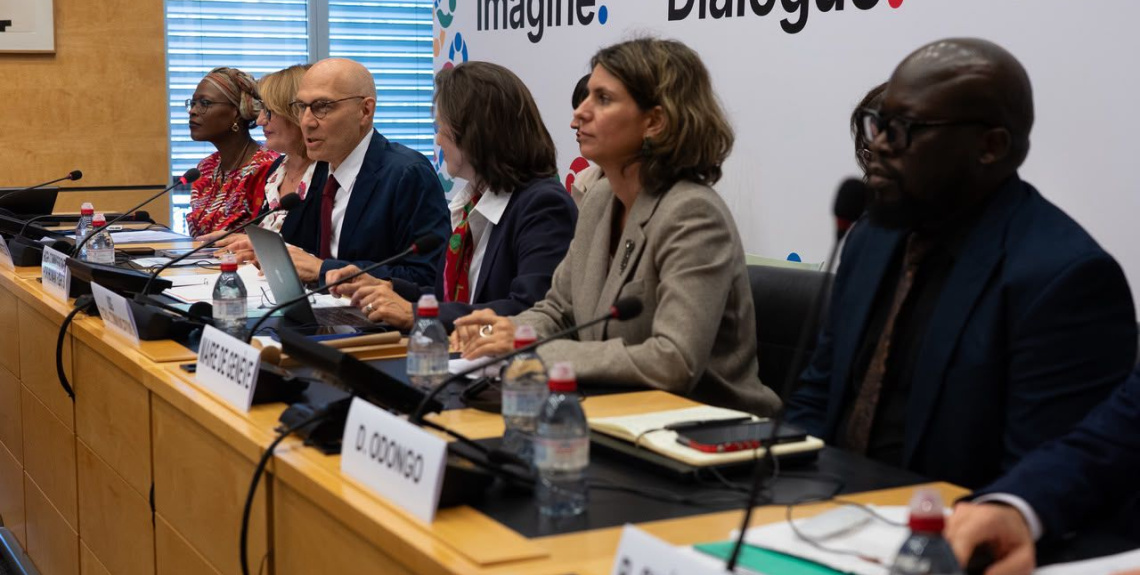
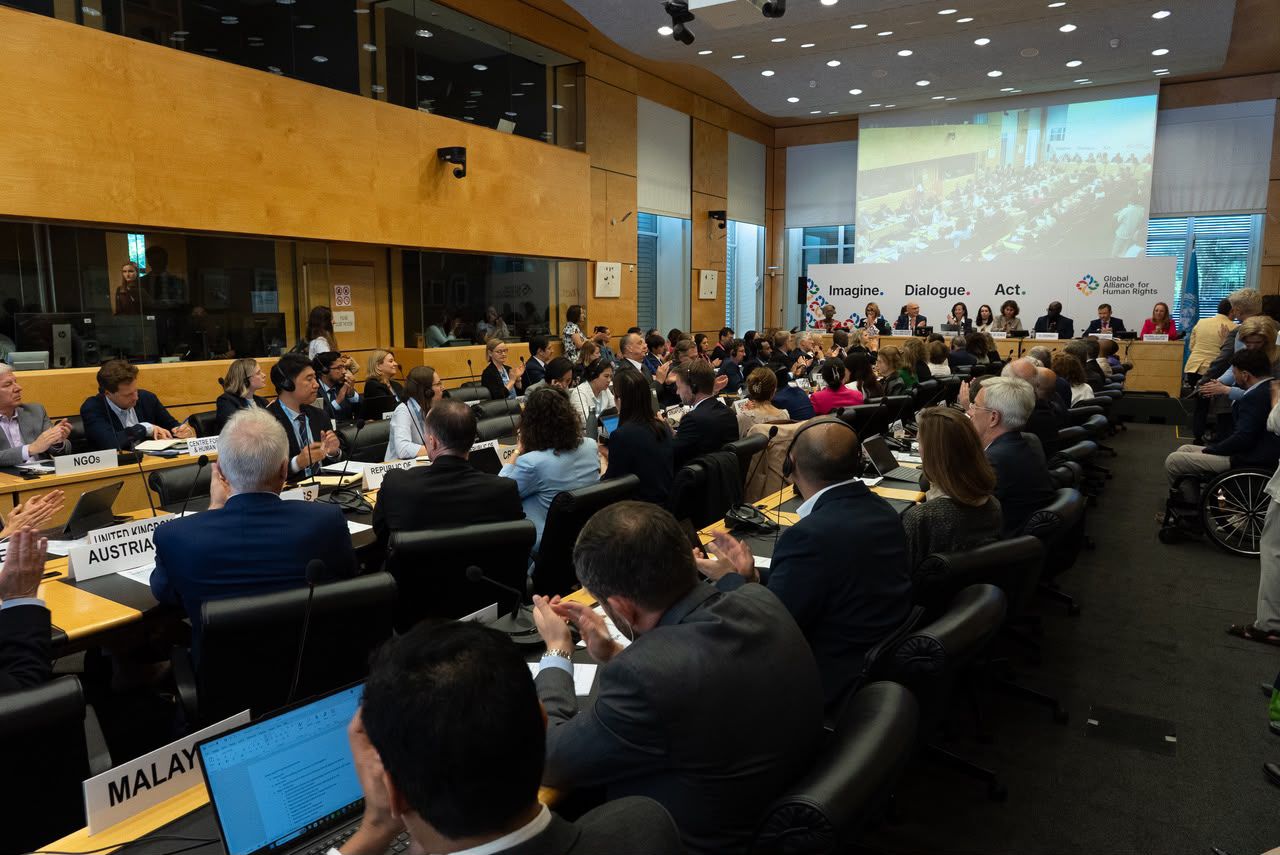
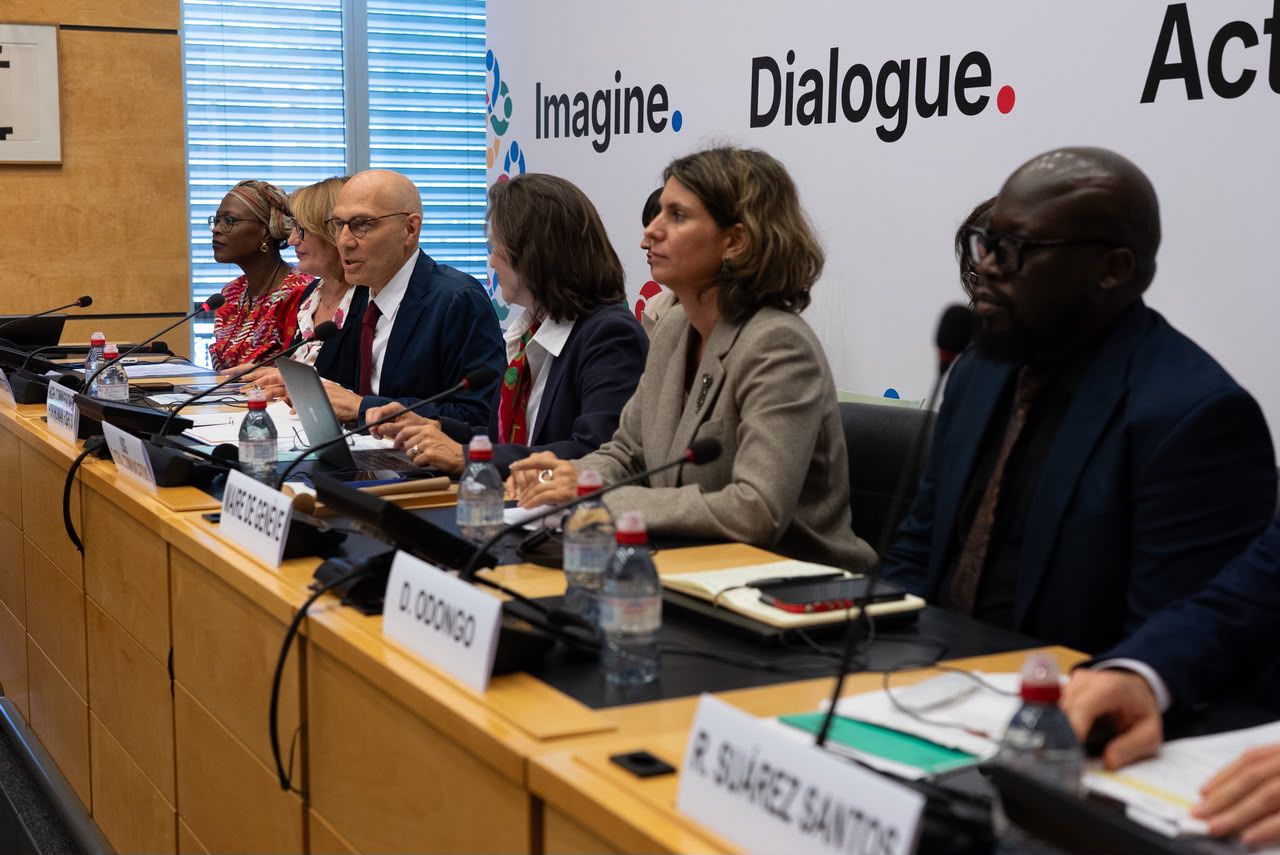
The United Nations Office of the High Commissioner for Human Rights (OHCHR) officially launched the Global Alliance for Human Rights on 11 June 2026 in Geneva. Established to strengthen the role of human rights in decision-making, leadership, and everyday action, the Alliance convenes governments, local authorities, civil society, the private sector, and academia to imagine, dialogue, and act ahead of the 80th anniversary of the Universal Declaration of Human Rights in 2028.
As human rights face mounting challenges—from shrinking civic spaces and growing inequalities to climate emergencies—the Alliance serves as a critical platform to make rights tangible in people's daily lives. The UN High Commissioner for Human Rights, Volker Türk, emphasized the urgency of this collective effort during the launch:
Human rights are the foundation of peaceful, just and inclusive societies. At a time of profound global uncertainty, we must renew our commitment and broaden support, harnessing the energy we see across the world to ensure that human rights remain the guiding force of our collective future. The future is something we are already building.
Local Leadership Driving a Renewed Multilateralism
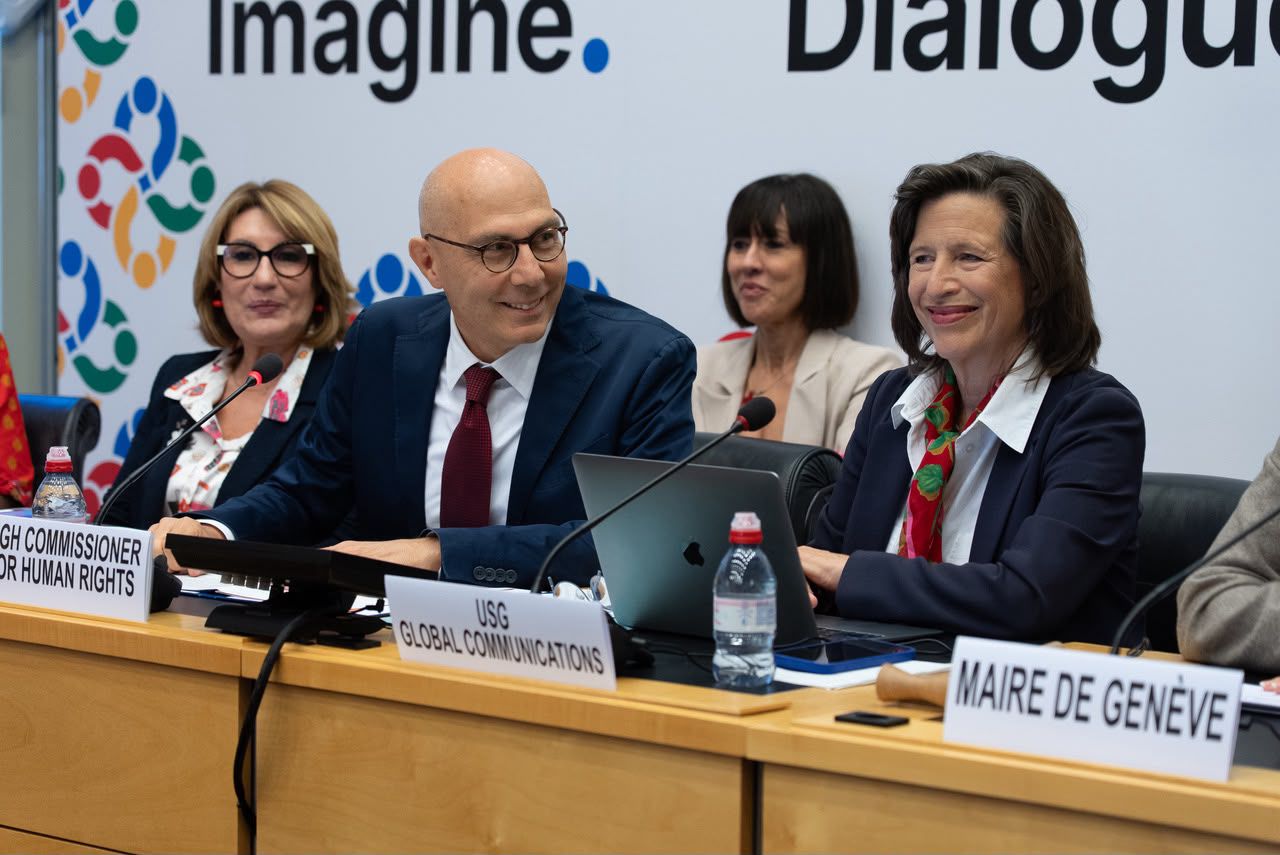
United Cities and Local Governments (UCLG) participated as a key strategic partner in the launch, reinforcing the municipal movement's role, recognizing local and regional governments not merely as implementers of international agendas, but as co-creators of policy and custodians of a new social contract grounded in care and local democracy.
A central pillar of this international effort is the formal recognition of our Global Campaign, “10, 100, 1000 Human Rights Cities and Territories by 2030,” as one of the key catalytic initiatives under the "Human Rights at Home" strategic pathway that led to the formation of the Global Alliance itself. This pathway positions local action and rights-based governance as the foundation for global governance and local multilateralism, and ensures that the voices of local communities and territories are directly bridged to international decision-making spaces.
At the launch event in Geneva, Emilia Saiz, Secretary General of UCLG, emphasized that joining this movement is an absolute necessity —“a must”— for local and regional governments to safeguard human rights:
Without universal local public services, there is no equality, no democracy, no peace, no dignity. Human rights become meaningful when people can access the everyday essentials that sustain dignity and well-being, including housing, water, and quality public services without discrimination. Local and regional governments are uniquely positioned to make this happen because they are the level of government closest to people. Joining this alliance is not really an option—it is a must. We belong here.
As such, the expansion of the Human Rights Cities movement and the Campaign — aiming to scale up to 1,000 territories by 2030 — serves as both a political and programmatic framework to accelerate the realization of human rights in the city, ensuring that citizens are treated not as clients, but as true rights-holders of their cities.
Human Rights in Action: the New Global Charter-Agenda for Human Rights in the City
This collaboration between UCLG and the OHCHR is further strengthened by the crucial joint work between the two organizations, around the launch of the Guidance Framework for Creating a Human Rights City, in 2025. Co-developed by both institutions, this framework serves as an international reference to integrate human rights into core municipal governance, covering the instruments, tools and institutional arrangements required for a human rights based approach to local governance. .
During the UCLG Congress 2026 in Tangier, UCLG will also formally adopt the New Global Charter-Agenda for Human Rights in the City. Led by our Committee, this document draws on the first Charter-Agenda, adopted in 2011. Proposing a renewed framework to promote human rights at the local level, this document reflects evolving urban realities and the growing consolidation of the Human Rights Cities movement, to provide a strategic thematic agenda on human rights, with recommendations for its implementation.
The Guidance Framework and the New Charter-Agenda should be seen as complementary to guide the implementation of human rights: the first providing the institutional backbone of human rights governance, and the second the thematic agenda to advance rights protection and implementation.
Furthermore, human rights and the Right to the City serve as the overarching political principles of the Local Social Covenant, UCLG’s political mandate and framework for shaping a new generation of universal local public services. Grounded in local democracy and public service provision, this framework will define the municipal movement's territorial contribution to the post-2030 international negotiations.
From Commitment to Action
By anchoring the “10, 100, 1000 Human Rights Cities and Territories by 2030” Global Campaign within the UN's new Global Alliance and advancing toward the adoption of the New Global Charter-Agenda, our network is strengthening the mechanisms of multilevel governance needed to translate global treaties into local realities.
The UCLG Committee on Social Inclusion, Participatory Democracy and Human Rights (CSIPDHR) will continue to lead this process, supporting local governments as frontline actors of transformation. The transition from commitment to action begins in our neighborhoods, our public spaces, and our local communities.